Timeline Oddities
THE CIA ADMITS TO ITS OWN "BENIGN COVER-UP" ON JFK — AND THAT'S THE PART THEY WROTE DOWN
Audio edition
The CIA's own historian used the phrase "benign cover-up," and the paper trail around JFK keeps making the official story look curated.
The most toxic thing about the JFK record is not the drama. It is the paperwork.
The CIA did not leave us a neat confession. It left us a phrase, buried in its own internal history: “benign cover-up.” That is not a rumor, and it is not some guy in a basement connecting dots with a cigarette and a wall. That is the agency’s own historian writing down the shape of the thing.
Timeline
Bay of Pigs collapses
Kennedy forces CIA Director Allen Dulles to resign after the invasion fails hard.
Kennedy is killed in Dallas
The assassination becomes history, and the official explanation starts hardening almost immediately.
The Warren Commission forms
Johnson appoints the commission, and Dulles is one of the seven members. Already weird. Immediately weird.
McCone testifies
CIA Director John McCone goes before the Commission and does not disclose the Castro-assassination plots the agency had been running with Mafia partners.
Oswald acted alone, officially
The Warren Commission finishes with the lone-gunman conclusion, tidy enough to fit in a filing cabinet.
The Church Committee opens the vault
Congress publicly confirms CIA assassination plots against foreign leaders, including Castro, none of which had been shared with the Warren Commission.
The HSCA says the agencies were deficient
The House Select Committee on Assassinations finds the FBI and CIA were incompetent and withholding enough to matter.
Robarge writes it down
David Robarge's internal CIA history describes the agency's handling of the Warren Commission as a "benign cover-up." It is later declassified with redactions.
Executive Order 14176
Trump orders the release of remaining JFK, RFK, and MLK assassination records.
The archive flood hits
The National Archives releases roughly 80,000 pages of previously classified JFK records. The machine has to talk now.
What happened
The official story wants you to believe the agencies were just slow, scattered, and a little unlucky. That story is too clean for the record.
The real problem is not that the CIA had opinions about Kennedy. The problem is that the CIA had files, contacts, operations, and internal knowledge that were not fully put on the table when the Warren Commission was trying to explain the murder.
Allen Dulles, the man Kennedy fired after the Bay of Pigs collapse, ends up on the Warren Commission anyway. That is already the kind of arrangement that makes your eyebrows leave the room. McCone testifies months later and does not mention the CIA’s Castro assassination plots with Mafia partners. The agency’s own internal history later admits that was part of how the story was managed.
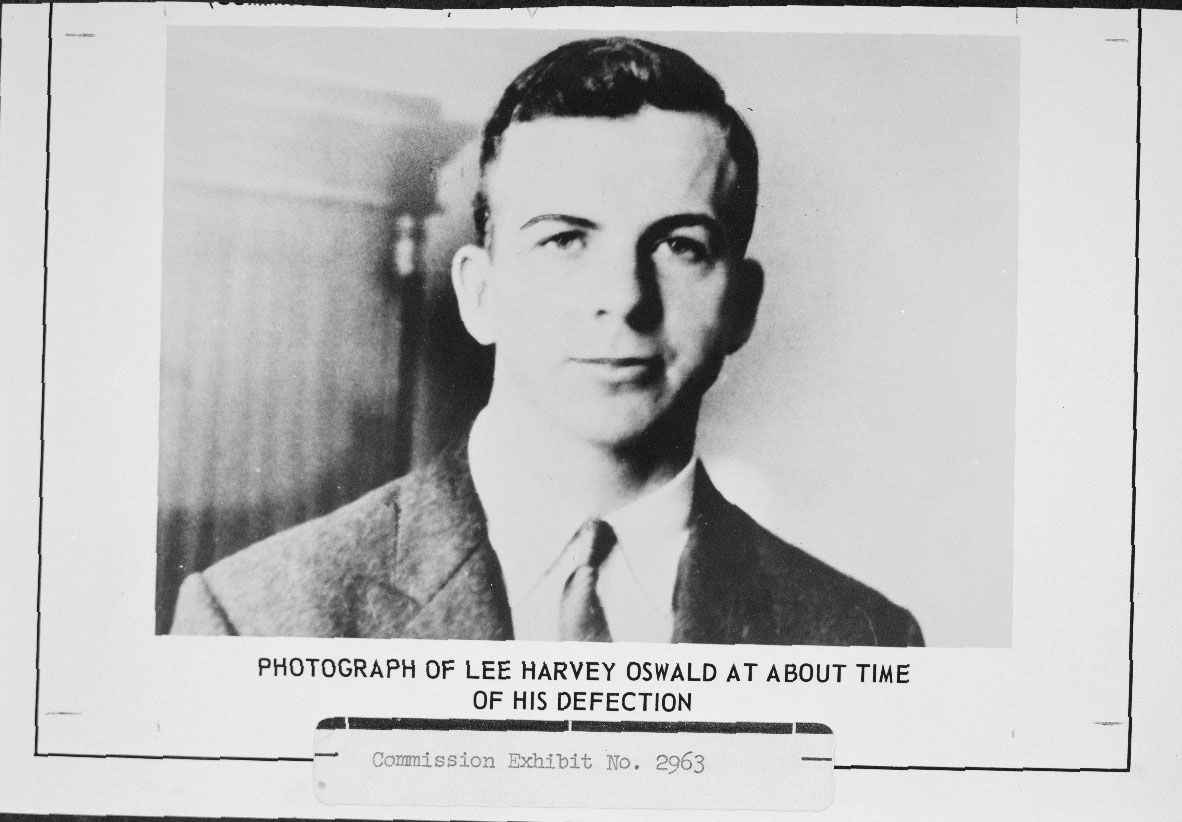
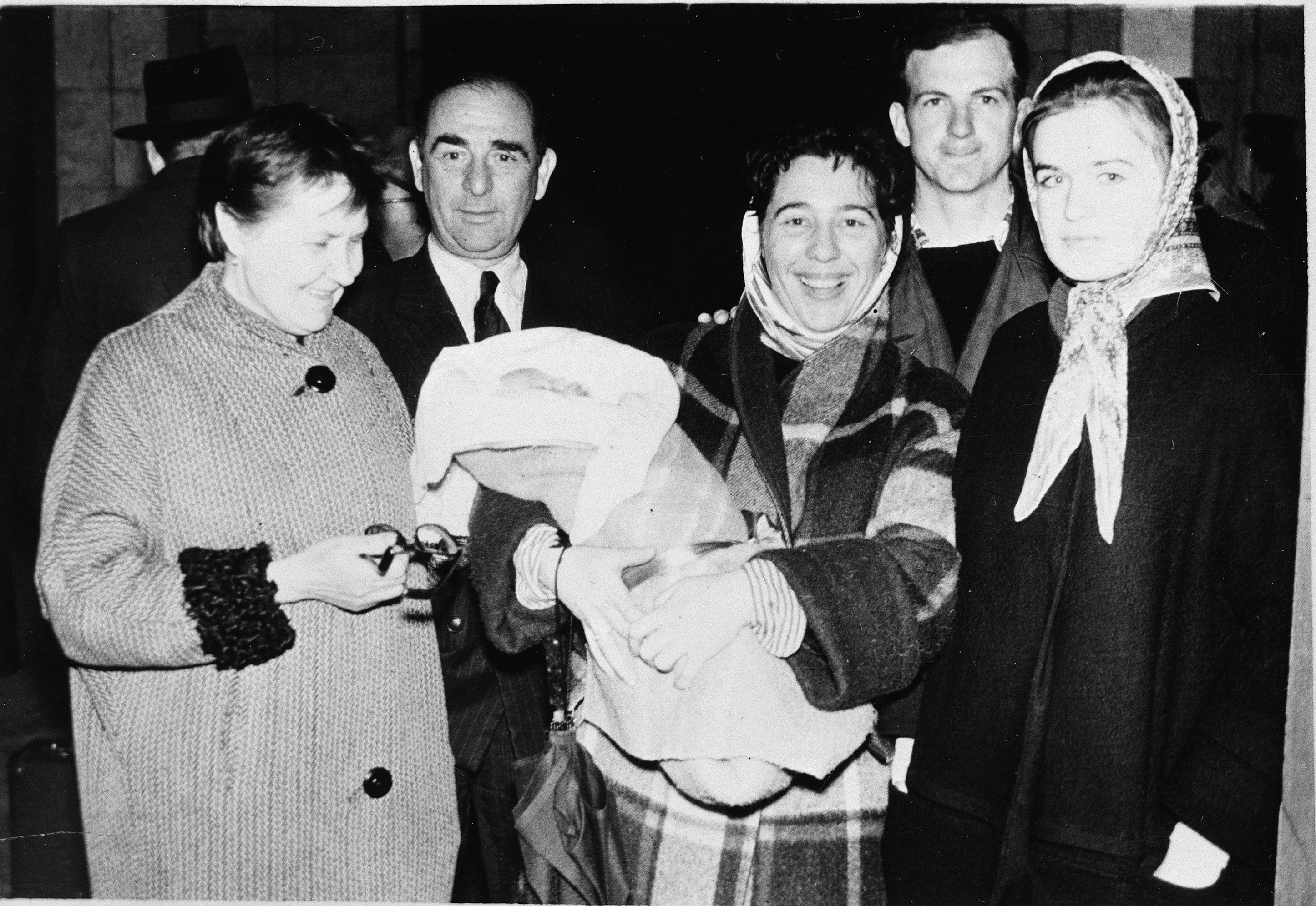
Oswald was also not floating in from nowhere. Weeks before Dallas, he had already visited both the Soviet Embassy and the Cuban Consulate in Mexico City. The CIA’s Mexico City station was watching those locations. Its station chief, Winston Scott, later wrote that the station knew about Oswald’s contacts before the assassination. The CIA told the Warren Commission a softer version of that reality.
Why this matters
The official narrative requires two things at once: Oswald must be an unremarkable lone actor, and every major intelligence agency must be telling the truth about what it knew. The records keep wrecking that second part.
The Warren Commission was not simply misled by outsiders. It was working from a record filtered by the very institutions under suspicion. The 1979 House Select Committee said the FBI and CIA were deficient in sharing information, and that they only responded when asked specific questions. Which means if the Commission did not know to ask, it did not get told.
That is not a tiny procedural sin. That is the whole mechanism.
What the record shows
- David Robarge, CIA internal history (2013), used the phrase benign cover-up to describe the agency’s handling of the Warren Commission.
- House Select Committee on Assassinations (1979), found the FBI and CIA were deficient in sharing relevant information.
- Church Committee (1975), publicly confirmed CIA assassination plots against foreign leaders, including Castro, and noted the Commission never got that context.
- Winston Scott memoir, said Mexico City surveillance product on Oswald existed before November 22, 1963.
- CIA cable from October 10, 1963, withheld requested Oswald information and described him as “maturing.”
- Helms memo to J. Lee Rankin (January 31, 1964), shows what the CIA knew while the investigation was still being built.
Why this changes everything
The debate was never really “Oswald alone” versus “giant shadow cabal with a theme song.” The real question is nastier: did the institutions charged with finding the truth actually want to find it?
The CIA’s own historian wrote down a phrase that answers that question badly. Not perfectly. Not across every agency. But badly enough.
If the Warren Commission’s conclusion rested on evidence shaped by an agency already described by its own historian as having conducted a cover-up, then the conclusion is not a clean verdict. It is a verdict delivered after the evidence was curated. That is not the same thing.
The 2025 release still does not give us a smoking-gun second shooter, and honest researchers admit that. What it does give us is a grim pattern: every time the archives open a little more, the agencies look worse, not better. That is not what a straight story looks like.
The pattern hardens
The 2025 order did not only cover JFK. It covered RFK and MLK too, which is the government admitting the secrecy pattern was bigger than one case. Three assassinations, three federal investigations, one familiar habit: keep control of the record, keep the public behind the curve, and call it procedure.
The JFK Assassination Records Collection is enormous, but the remaining classified records were still released in waves in 2025, which says everything about how much the state likes to release at once when it has spent decades not releasing at all. Jefferson Morley has argued that a lot of the material was overclassified triviality, which is another way of saying classification was being used like a volume knob.
The weirdest part is that the official line still tries to sound simple. It isn’t. The longer the agencies had to curate the story, the more the story started to look curated.
What survived
The Warren Commission’s lone-gunman finding is still technically on the books. So is the CIA’s internal admission that it ran a benign cover-up. So is the Church Committee’s confirmation of assassination plotting. So is the HSCA’s finding that the FBI and CIA were deficient. So is Winston Scott’s account of what Mexico City knew.
That is the brutal little shape of it. The official narrative has not been overturned. It has been outlived.
Sources
- Executive Order 14176, January 23, 2025
- ODNI Press Release No. 03-25, March 18, 2025
- National Archives, JFK Records Collection
- House Select Committee on Assassinations, Final Report
- David Robarge, DCI John McCone and the Assassination of President John F. Kennedy
- Church Committee, Alleged Assassination Plots Involving Foreign Leaders
- Mary Ferrell Foundation, State of JFK Releases 2025
- Jefferson Morley, Our Man in Mexico
- Winston Scott memoir references in declassified CIA records
- John Newman, Oswald and the CIA
- Philip Melanson, Spy Saga